
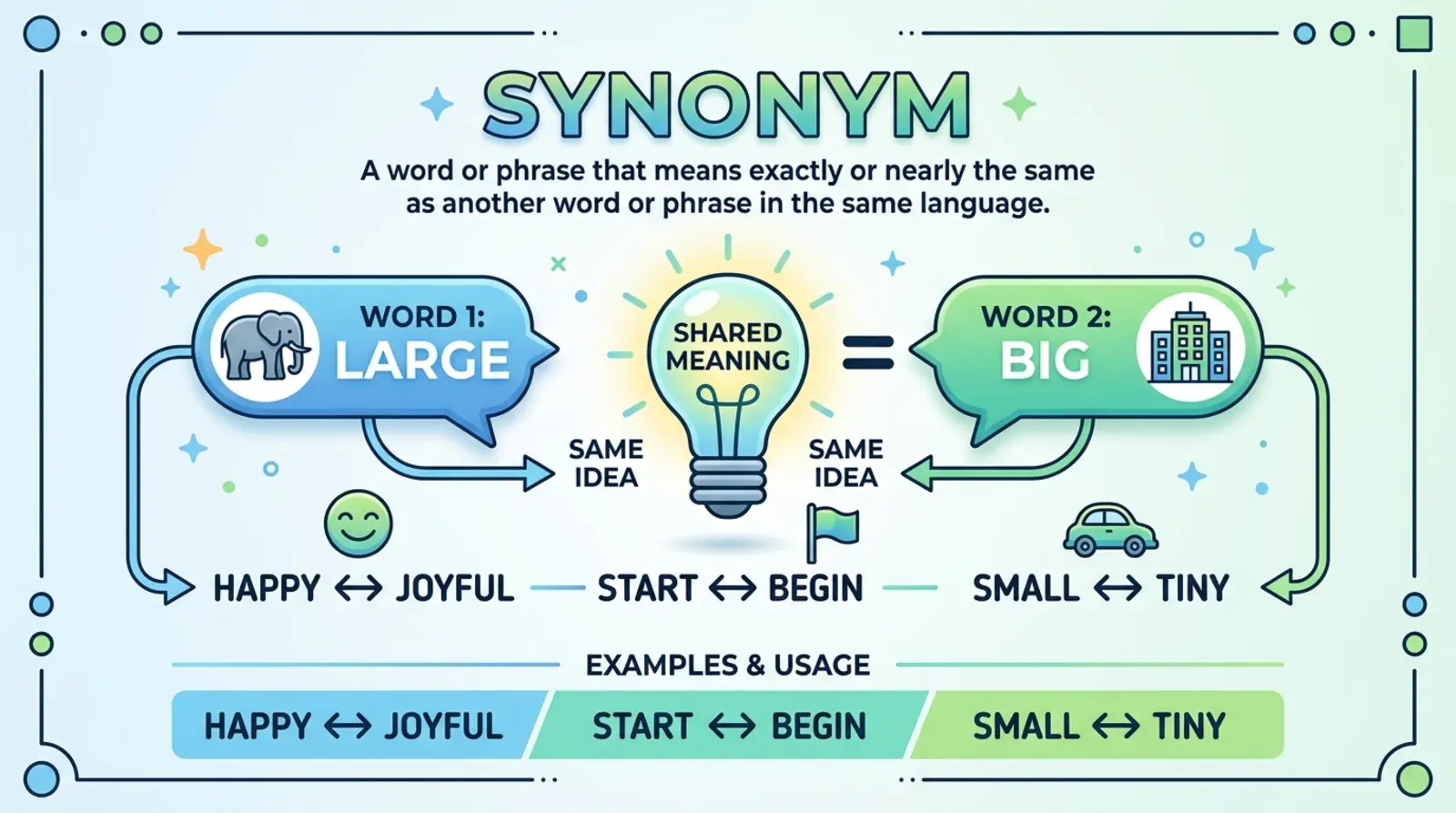
Suffering is a powerful word that describes physical pain, emotional distress, hardship, or ongoing difficulty. However, depending on your audience and purpose, a different synonym may communicate your message more naturally. Whether you’re writing an essay, telling a story, preparing a speech, or improving your vocabulary, choosing the right alternative can make your writing clearer, more emotional, and more persuasive.
This guide explores suffering synonyms in depth not just as a list of words, but as a complete vocabulary resource that helps you understand when, why, and how to use each one effectively.
Quick Answer (Featured Snippet)
A suffering synonym is a word or phrase that expresses pain, hardship, distress, or emotional or physical difficulty. Common synonyms include pain, agony, misery, hardship, distress, anguish, torment, affliction, adversity, grief, discomfort, and sorrow. The best synonym depends on the intensity, emotional tone, and context of your writing.
What Does “Suffering” Mean?
Suffering refers to experiencing physical pain, emotional distress, mental anguish, or prolonged hardship. It may describe temporary discomfort or long-lasting struggles caused by illness, loss, poverty, failure, conflict, or other difficult circumstances.
The word is commonly used in:
- Everyday conversations
- Academic writing
- Healthcare
- Psychology
- Literature
- News reporting
- Religious texts
- Motivational speeches
- Business discussions about challenges
Why Learning Suffering Synonyms Matters
Many writers repeat the word suffering too often. Using suitable alternatives helps you:
- Improve vocabulary naturally
- Avoid repetitive writing
- Express different emotional levels
- Match the tone of your audience
- Create stronger storytelling
- Sound more professional
- Improve academic and business writing
- Increase clarity and precision
- Make AI search and semantic search engines better understand your content
Rather than replacing every occurrence with the same alternative, skilled writers choose words that accurately reflect the situation.
The Suffering Vocabulary Ladder™ (Original Framework)
Instead of treating all synonyms equally, think of them as levels of emotional intensity.
| Emotional Intensity | Best Synonyms | Typical Context |
|---|---|---|
| Very Mild | Discomfort, Unease, Difficulty | Minor inconvenience |
| Mild | Trouble, Hardship, Stress | Everyday challenges |
| Moderate | Distress, Pain, Affliction | Emotional or physical problems |
| Strong | Misery, Anguish, Grief | Serious emotional suffering |
| Very Strong | Agony, Torment, Torture | Extreme pain or trauma |
This vocabulary ladder helps writers choose the most natural word instead of automatically selecting the strongest one.
Suffering Synonyms by Semantic Cluster
Everyday Conversation
These words work well in normal daily speech.
| Synonym | Emotional Tone | Formality |
|---|---|---|
| Pain | Neutral | Medium |
| Hardship | Serious | Medium |
| Difficulty | Neutral | Medium |
| Trouble | Casual | Informal |
| Stress | Modern | Informal |
| Discomfort | Mild | Neutral |
Example:
She experienced great hardship after losing her job.
Emotional Expression
When discussing feelings, these synonyms sound more natural.
- Anguish
- Heartache
- Grief
- Misery
- Sorrow
- Distress
- Despair
Example:
His grief lasted for many years after the accident.
Professional and Business Writing
Business communication usually avoids emotionally dramatic language.
Better choices include:
- Challenge
- Difficulty
- Setback
- Adversity
- Burden
- Pressure
- Obstacle
Example:
The company faced financial adversity during the recession.
Academic Writing
Researchers and educators often use objective vocabulary.
Preferred words include:
- Distress
- Adversity
- Affliction
- Trauma
- Psychological burden
- Emotional hardship
- Chronic pain
Example:
Chronic stress contributes significantly to psychological distress.
Literary and Creative Writing
Creative writing benefits from vivid, emotionally rich vocabulary.
Excellent choices include:
- Agony
- Tordeal
- Torment
- Woe
- Heartbreak
- Desolation
- Anguish
- Misery
Example:
The hero endured unimaginable torment before finding peace.
Detailed Synonym Guide
1. Pain
Meaning
Physical or emotional discomfort.
Emotional Tone: Moderate
Formality: Neutral
Best Contexts
- Injury
- Illness
- Emotional loss
- Daily conversation
Common Collocations
- Severe pain
- Chronic pain
- Emotional pain
- Physical pain
- Deep pain
Example
She hid her emotional pain behind a smile.
2. Agony
Meaning
Extremely intense physical or emotional suffering.
Emotional Tone: Very High
Formality: Medium
Best Contexts
- Literature
- Journalism
- Medical situations
- Personal stories
Common Collocations
- In agony
- Endless agony
- Emotional agony
- Agony of defeat
Example
He was in agony after the accident.
3. Misery
Meaning
A state of extreme unhappiness and discomfort.
Emotional Tone: High
Formality: Neutral
Best Contexts
- Emotional writing
- Fiction
- Daily conversation
Example
Years of poverty brought endless misery to the family.
4. Distress
Meaning
Serious anxiety, worry, or emotional suffering.
Emotional Tone: Medium to High
Formality: Formal
Best Contexts
- Healthcare
- Psychology
- Academic writing
- News reports
Example
The patient showed signs of emotional distress.
5. Hardship
Meaning
Difficult living conditions or prolonged challenges.
Emotional Tone: Moderate
Formality: Neutral
Best Contexts
- Financial problems
- Family struggles
- Historical writing
- Business reports
Example
Many families experienced hardship during the economic crisis.
Choosing the Best Suffering Synonym
Use this quick decision guide:
| If you mean… | Best Word |
|---|---|
| Physical hurt | Pain |
| Extreme physical suffering | Agony |
| Emotional sadness | Grief |
| Long-term difficulties | Hardship |
| Mental anxiety | Distress |
| Terrible unhappiness | Misery |
| Cruel emotional pain | Torment |
| Religious or literary suffering | Affliction |
| Major life challenges | Adversity |
| Deep emotional loss | Sorrow |
6. Anguish
Meaning
Anguish refers to intense emotional or mental suffering. It often describes feelings caused by grief, fear, guilt, or heartbreak.
Emotional Tone: Very High
Formality: Formal
Best Contexts
- Personal narratives
- Literature
- Psychology
- News articles
Common Collocations
- Deep anguish
- Mental anguish
- Emotional anguish
- Anguish over
- Cry out in anguish
Example
The parents experienced unbearable anguish after hearing the news.
Best Choice When
You want to emphasize profound emotional pain rather than physical pain.
7. Torment
Meaning
Torment describes severe physical or psychological suffering, often continuing over a long period.
Emotional Tone: Extremely Intense
Formality: Neutral to Formal
Best Contexts
- Fiction
- Historical writing
- Mental health discussions
- Storytelling
Common Collocations
- Endless torment
- Emotional torment
- Inner torment
- Mental torment
Example
Years of guilt became a source of constant torment.
8. Affliction
Meaning
An affliction is a condition that causes ongoing suffering, such as illness, disability, or hardship.
Emotional Tone: Serious
Formality: Formal
Best Contexts
- Medical writing
- Religious texts
- Academic writing
- Historical documents
Common Collocations
- Chronic affliction
- Physical affliction
- Afflicted by disease
- Lifelong affliction
Example
Despite his affliction, he remained optimistic.
9. Adversity
Meaning
Adversity refers to difficult situations, obstacles, or unfavorable circumstances rather than direct pain.
Emotional Tone: Moderate
Formality: Formal
Best Contexts
- Motivational writing
- Leadership
- Business
- Education
Common Collocations
- Face adversity
- Overcome adversity
- Adversity builds character
- Financial adversity
Example
Great leaders often emerge through adversity.
10. Grief
Meaning
Grief is deep sorrow caused by loss, especially the death of a loved one.
Emotional Tone: Very High
Formality: Neutral
Best Contexts
- Bereavement
- Psychology
- Counseling
- Personal writing
Common Collocations
- Deep grief
- Overcome with grief
- Stages of grief
- Express grief
Example
Her grief slowly eased with time.
11. Sorrow
Meaning
Sorrow is a feeling of sadness or regret that is often quieter and more reflective than grief.
Emotional Tone: High
Formality: Formal
Best Contexts
- Literature
- Poetry
- Speeches
- Religious writing
Example
He spoke with great sorrow about the tragedy.
12. Woe
Meaning
Woe is a literary word describing great sorrow or distress.
Emotional Tone: High
Formality: Literary
Best Contexts
- Poetry
- Classic literature
- Creative storytelling
Example
The kingdom was filled with woe after the war.
13. Burden
Meaning
A burden is something difficult to carry emotionally, mentally, financially, or physically.
Emotional Tone: Moderate
Formality: Neutral
Best Contexts
- Business
- Family discussions
- Mental health
- Everyday communication
Example
Financial debt became a heavy burden.
14. Trauma
Meaning
Trauma refers to severe psychological or physical injury with lasting effects.
Emotional Tone: Very High
Formality: Formal
Best Contexts
- Medicine
- Psychology
- News
- Academic writing
Example
Childhood trauma can affect adult relationships.
15. Despair
Meaning
Despair is the complete loss of hope.
Emotional Tone: Extremely High
Formality: Formal
Best Contexts
- Literature
- Motivational writing
- Psychology
Example
He almost gave in to despair before receiving help.
Suffering vs. Related Words
Understanding subtle differences helps you choose the most natural word.
| Word | Primary Meaning | Best Used For |
|---|---|---|
| Suffering | General physical or emotional pain | Broad situations |
| Pain | Physical or emotional discomfort | Medical and everyday language |
| Agony | Extreme pain | Severe injuries and intense emotions |
| Anguish | Deep emotional suffering | Grief, fear, heartbreak |
| Misery | Ongoing unhappiness | Long-term difficult circumstances |
| Distress | Anxiety or emotional strain | Healthcare and formal writing |
| Hardship | Difficult living conditions | Financial or social struggles |
| Adversity | Challenging circumstances | Motivation, leadership, business |
| Trauma | Lasting physical or emotional damage | Psychology and medicine |
Context Selection Matrix
Use this guide to pick the most appropriate synonym.
| Situation | Recommended Synonym |
|---|---|
| Medical article | Pain, Affliction, Trauma |
| Business report | Challenge, Adversity, Setback |
| Novel | Anguish, Torment, Misery |
| Academic essay | Distress, Adversity, Psychological burden |
| Speech | Hardship, Challenge, Adversity |
| Sympathy message | Grief, Sorrow, Heartache |
| Motivational article | Adversity, Challenge, Obstacle |
| Historical writing | Hardship, Affliction, Woe |
Common Collocations
Native speakers often pair suffering and its synonyms with specific words.
With “Suffering”
- Human suffering
- Emotional suffering
- Physical suffering
- Needless suffering
- Prolonged suffering
- End suffering
- Cause suffering
- Prevent suffering
With Synonyms
Pain
- Sharp pain
- Chronic pain
- Emotional pain
Hardship
- Economic hardship
- Financial hardship
- Personal hardship
Distress
- Emotional distress
- Severe distress
- Psychological distress
Grief
- Deep grief
- Overcome by grief
- Silent grief
Adversity
- Face adversity
- Overcome adversity
- Personal adversity
Grammar Tips
“Suffering” as a Noun
✔ Human suffering continues worldwide.
✔ Her suffering lasted for years.
“Suffering” as an Adjective
✔ The suffering child needed medical care.
✔ They helped suffering families.
Common Verb Combinations
- experience suffering
- endure suffering
- relieve suffering
- prevent suffering
- witness suffering
- ease suffering
- reduce suffering
- cause suffering
Pronunciation
Suffering
IPA (UK): /ˈsʌf.ər.ɪŋ/
IPA (US): /ˈsʌf.ɚ.ɪŋ/
Syllables:
suf-fer-ing
Stress:
SUF-fer-ing
Common Learner Mistakes
❌ Using “Agony” for Minor Problems
Incorrect:
I’m in agony because my phone battery died.
Better:
I’m annoyed because my phone battery died.
❌ Confusing “Hardship” with “Pain”
Hardship usually refers to difficult circumstances rather than physical injury.
Correct:
The family experienced financial hardship.
❌ Using “Trauma” Too Casually
Not every unpleasant event is trauma. The word generally refers to experiences with significant psychological or physical impact.
Professional Editing Tips
When revising your writing:
- Replace repeated uses of suffering with context-appropriate alternatives.
- Match the emotional intensity of the word to the situation.
- Consider your audience before choosing literary or technical vocabulary.
- Avoid exaggeration in professional or academic writing.
- Read your sentence aloud to ensure the synonym sounds natural in context.
Antonyms of Suffering
Knowing the opposite of a word helps build a stronger vocabulary and allows you to express contrast more effectively.
| Antonym | Meaning | Example |
|---|---|---|
| Comfort | A state of physical or emotional ease | After treatment, she finally found comfort. |
| Happiness | A feeling of joy and satisfaction | Happiness returned to the family. |
| Pleasure | Enjoyment or delight | Reading became a source of pleasure. |
| Relief | Freedom from pain or anxiety | The medicine provided immediate relief. |
| Peace | Mental calm and freedom from distress | Meditation gave him inner peace. |
| Well-being | A healthy, happy state | Exercise improved her overall well-being. |
| Prosperity | Success and abundance | The town enjoyed years of prosperity. |
| Contentment | Quiet satisfaction | He lived a life of contentment. |
| Joy | Great happiness | Their victory brought immense joy. |
| Ease | Lack of difficulty or discomfort | She completed the task with ease. |
Related Words and Vocabulary Expansion
To develop a richer vocabulary, learn words that belong to the same lexical field as suffering.
Emotional Vocabulary
- Sadness
- Heartache
- Anguish
- Despair
- Melancholy
- Grief
- Sorrow
- Misery
Physical Vocabulary
- Pain
- Injury
- Illness
- Ache
- Fatigue
- Weakness
- Affliction
- Disability
Challenge and Hardship Vocabulary
- Difficulty
- Obstacle
- Adversity
- Trial
- Setback
- Burden
- Crisis
- Struggle
Using related words naturally improves variety and precision in both speaking and writing.
Idioms and Expressions Related to Suffering
Idiomatic expressions often communicate hardship more vividly than a single synonym.
Go Through Hard Times
Meaning: Experience a difficult period.
Example:
Every family goes through hard times eventually.
Carry the Weight of the World
Meaning: Feel overwhelmed by responsibilities or emotional pressure.
Example:
She looked as though she was carrying the weight of the world.
At the End of One’s Rope
Meaning: Reach the limit of patience or endurance.
Example:
After months of stress, he was at the end of his rope.
Weather the Storm
Meaning: Survive a difficult situation successfully.
Example:
The company managed to weather the storm during the recession.
Every Cloud Has a Silver Lining
Meaning: Even painful situations may have positive outcomes.
Example:
Losing that job eventually led him to a better career.
Choosing the Right Synonym: A Practical Decision Tree
Ask yourself these questions before selecting a synonym.
Is the pain physical?
Choose:
- Pain
- Agony
- Affliction
- Discomfort
Is the pain emotional?
Choose:
- Anguish
- Grief
- Sorrow
- Heartache
- Distress
Is it about difficult circumstances?
Choose:
- Hardship
- Adversity
- Struggle
- Burden
- Challenge
Is the situation extremely severe?
Choose:
- Torment
- Agony
- Despair
- Misery
Are you writing formally?
Choose:
- Distress
- Adversity
- Affliction
- Trauma
Are you writing creatively?
Choose:
- Woe
- Anguish
- Torment
- Heartbreak
- Desolation
Writing Advice from an Editor
Strong writers don’t simply replace one word with another—they choose vocabulary that matches the exact meaning, audience, and tone.
Keep these principles in mind:
- Prefer hardship when describing economic or social difficulties.
- Use distress in professional, medical, or academic writing.
- Reserve agony for truly intense pain.
- Choose grief when discussing loss.
- Select adversity when highlighting challenges that can be overcome.
- Avoid exaggeration. Overusing highly emotional words can reduce credibility.
- Vary your vocabulary naturally rather than forcing a different synonym into every sentence.
Frequently Asked Questions
What is the best synonym for suffering?
There isn’t one universal answer. Pain, hardship, distress, agony, misery, and anguish are among the most common choices, but the best option depends on the context and level of intensity.
Is “pain” the same as “suffering”?
Not exactly. Pain often refers to a physical or emotional sensation, while suffering is broader and may include prolonged hardship, emotional distress, or difficult life experiences.
What’s the difference between suffering and hardship?
Suffering focuses on the experience of pain or distress, whereas hardship usually refers to difficult circumstances such as poverty, unemployment, or challenging living conditions.
Which synonym is best for academic writing?
Words such as distress, adversity, trauma, affliction, and psychological burden are generally more appropriate because they are precise and objective.
Which synonym is best for creative writing?
Creative writing often benefits from expressive vocabulary such as anguish, torment, misery, heartache, desolation, and woe, depending on the tone and character’s emotions.
Can “suffering” refer to positive growth?
Indirectly, yes. While the word itself describes pain or hardship, many writers discuss suffering as an experience that can lead to resilience, empathy, wisdom, or personal growth.
Key Takeaways
- Suffering describes physical pain, emotional distress, or prolonged hardship.
- The best synonym depends on context, audience, and emotional intensity.
- Pain is a broad everyday alternative.
- Hardship emphasizes difficult circumstances.
- Distress suits formal and academic writing.
- Anguish and grief express deep emotional pain.
- Agony and torment describe extreme suffering.
- Adversity is ideal when discussing challenges that encourage perseverance.
- Learning semantic differences helps you write more naturally, accurately, and persuasively.
Conclusion
The English language offers many alternatives to suffering, but no single synonym fits every situation. Each word carries its own nuance, emotional weight, and level of formality. A thoughtful writer chooses vocabulary based on purpose rather than simply replacing one word with another.
Whether you’re writing a research paper, a business report, a novel, a speech, or everyday content, understanding the subtle differences between words like pain, hardship, distress, agony, misery, anguish, and adversity allows you to communicate with greater precision and impact.
Expanding your vocabulary is more than memorizing synonyms it’s learning how language shapes meaning. By selecting the right word for the right context, you’ll produce writing that is clearer, more engaging, and more persuasive for every audience.

Blending creativity and humor to build memorable brand voices.