
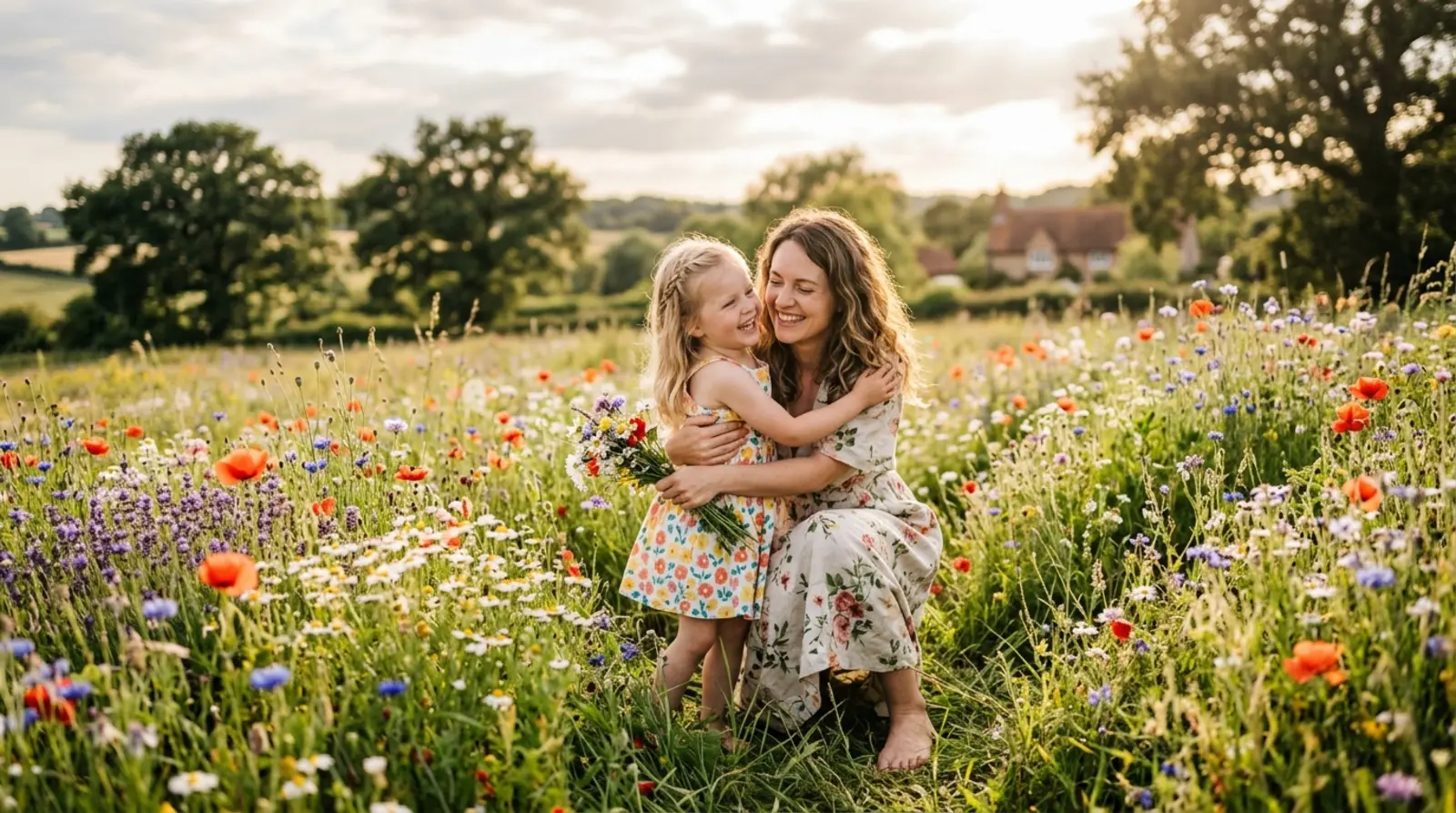
Finding the perfect lovely synonym can instantly make your writing more expressive, natural, and engaging. While lovely is a versatile adjective, English offers dozens of alternatives that better match different emotions, situations, and levels of formality.
Whether you’re writing an email, novel, essay, social media caption, marketing copy, or simply improving your English vocabulary, this guide helps you choose the right synonym with confidence.
Quick Answer
The best synonyms for “lovely” include:
- Beautiful
- Charming
- Delightful
- Attractive
- Gorgeous
- Elegant
- Adorable
- Pretty
- Wonderful
- Pleasant
- Exquisite
- Stunning
- Graceful
- Sweet
- Appealing
The ideal replacement depends on your context, audience, and the emotion you want to express.
What Does “Lovely” Mean?
Lovely means:
Beautiful, attractive, pleasant, delightful, or enjoyable in a way that creates positive feelings.
It can describe:
- People
- Places
- Objects
- Weather
- Experiences
- Personalities
- Conversations
- Memories
Example:
“What a lovely evening.”
Here, lovely expresses warmth and appreciation rather than physical beauty.
Why Learning Lovely Synonyms Matters
Using varied vocabulary helps you:
- Avoid repetitive writing
- Sound more fluent
- Improve professional communication
- Write stronger essays
- Create vivid descriptions
- Enhance storytelling
- Improve SEO content naturally
- Express emotions with greater precision
A richer vocabulary also improves readability and makes your writing more engaging.
The Lovely Vocabulary Ladder
Instead of treating all synonyms equally, think of them as a spectrum.
| Intensity | Best Word | Typical Use |
|---|---|---|
| Mild | Nice | Everyday conversation |
| Warm | Pleasant | Formal communication |
| Positive | Lovely | General description |
| Attractive | Pretty | Appearance |
| Elegant | Beautiful | Universal use |
| Strong | Gorgeous | High admiration |
| Very Strong | Stunning | Dramatic impact |
| Premium | Exquisite | Luxury, art, design |
Semantic Clusters of Lovely Synonyms
Everyday Conversation
These words sound natural in daily speech.
- Nice
- Sweet
- Pleasant
- Cute
- Pretty
- Wonderful
Example:
“You have a lovely family.”
Alternative:
“You have a wonderful family.”
Formal Writing
For professional or academic contexts, consider:
- Elegant
- Refined
- Attractive
- Appealing
- Delightful
- Exceptional
Example:
“The hotel offers an elegant atmosphere.”
Creative Writing
Descriptive writing benefits from vivid vocabulary.
- Enchanting
- Captivating
- Magical
- Exquisite
- Graceful
- Radiant
Example:
“An enchanting forest surrounded the castle.”
Business Communication
Professional alternatives include:
- Excellent
- Outstanding
- Appealing
- Impressive
- Attractive
- Exceptional
Example:
“Your presentation was outstanding.”
Marketing Copy
Words that inspire emotion and action:
- Gorgeous
- Luxurious
- Premium
- Elegant
- Beautiful
- Stunning
Example:
“Discover our stunning summer collection.”
The Best Lovely Synonyms Explained
Beautiful
Meaning
Extremely pleasing to the eye or mind.
Tone
Positive
Formality
Works in every setting.
Best For
- People
- Nature
- Art
- Architecture
Example:
“She has a beautiful smile.”
Charming
Meaning
Pleasant because of personality or character.
Tone
Warm
Best Contexts
- People
- Small towns
- Restaurants
- Conversations
Example:
“He has a charming personality.”
Delightful
Meaning
Giving great pleasure.
Emotional Tone
Joyful
Best Contexts
- Experiences
- Events
- Food
- Company
Example:
“We had a delightful afternoon.”
Gorgeous
Meaning
Extremely beautiful.
Emotional Intensity
★★★★★
Best for:
- Fashion
- Scenery
- Photography
- Luxury products
Example:
“The sunset looked gorgeous.”
Elegant
Meaning
Graceful and stylish.
Best used for:
- Clothing
- Design
- Hotels
- Writing style
Example:
“The room has an elegant design.”
Adorable
Meaning
Extremely cute and lovable.
Perfect for:
- Babies
- Pets
- Small objects
Example:
“That puppy is adorable.”
Exquisite
Meaning
Exceptionally beautiful with fine detail.
Best contexts:
- Jewelry
- Art
- Luxury interiors
- Fine dining
Example:
“The necklace has exquisite craftsmanship.”
Lovely vs Beautiful
| Lovely | Beautiful |
|---|---|
| Warm and friendly | More focused on appearance |
| Often emotional | Often visual |
| Casual | Universal |
| Describes experiences | Describes appearance and ideas |
Example:
“Lovely dinner” sounds more natural than Beautiful dinner.
Lovely vs Pretty
| Lovely | Pretty |
|---|---|
| Broader meaning | Mostly appearance |
| Can describe events | Usually describes looks |
| Emotional | Visual |
Lovely vs Gorgeous
| Lovely | Gorgeous |
|---|---|
| Moderate admiration | Strong admiration |
| Everyday use | Highly expressive |
| Warm | Dramatic |
Context Selection Matrix
| Situation | Best Synonym |
|---|---|
| Essay | Beautiful |
| Pleasant | |
| Novel | Enchanting |
| Marketing | Stunning |
| Customer Service | Wonderful |
| Speech | Delightful |
| Business | Appealing |
| Social Media | Gorgeous |
Common Collocations
Natural combinations include:
- lovely weather
- lovely smile
- lovely evening
- lovely surprise
- lovely place
- lovely view
- lovely garden
- lovely family
- lovely atmosphere
- lovely voice
Using these collocations makes your English sound more natural.
Grammar Tips
Lovely is primarily an adjective.
Correct:
- lovely flowers
- lovely person
- lovely weather
Incorrect:
- very loveliness
- lovelyly
Pronunciation
Lovely
/ˈlʌv.li/
Two syllables:
LUV-lee
Common Mistakes
Using “Lovely” Too Often
Instead of repeating:
“Lovely food, lovely place, lovely people.”
Try:
“Delicious food, beautiful place, welcoming people.”
Choosing the Wrong Register
Informal:
“Lovely meeting you.”
Formal:
“It was a pleasure meeting you.”
Overusing Strong Words
Not everything needs to be:
- gorgeous
- stunning
- breathtaking
Sometimes pleasant or nice is more natural.
Writing Tips
Professional writers often:
- Match the word to the audience.
- Consider emotional intensity.
- Avoid repeating the same adjective.
- Use stronger synonyms only when the situation genuinely calls for them.
- Read the sentence aloud to check whether the word sounds natural.
Antonyms of Lovely
Common opposites include:
- Ugly
- Unpleasant
- Horrible
- Awful
- Unattractive
- Offensive
- Repulsive
- Dreary
- Harsh
- Plain
Related Words
Words closely connected with lovely include:
- Beauty
- Elegance
- Grace
- Attraction
- Delight
- Charm
- Appeal
- Warmth
- Kindness
- Sophistication
Choosing the Right Lovely Synonym
Use this quick decision guide:
| If you mean… | Choose… |
|---|---|
| Physical beauty | Beautiful |
| Luxury | Exquisite |
| Personality | Charming |
| Cute | Adorable |
| Amazing scenery | Stunning |
| Pleasant experience | Delightful |
| Formal writing | Elegant |
| Marketing | Gorgeous |
| Friendly compliment | Lovely |
Frequently Asked Questions
What is the best synonym for “lovely”?
Beautiful is the most versatile synonym, while charming, delightful, and gorgeous work better in specific contexts.
Is “lovely” formal or informal?
It is generally neutral and suitable for both everyday conversation and many professional settings, though very formal writing may prefer words like pleasant, elegant, or appealing.
Can “lovely” describe people?
Yes. It can refer to someone’s appearance, personality, or kind nature.
Example:
“She is a lovely person.”
What is a stronger word than “lovely”?
Depending on the context:
- Gorgeous
- Stunning
- Exquisite
- Magnificent
- Breathtaking
What is a professional alternative to “lovely”?
Professional alternatives include:
- Appealing
- Elegant
- Pleasant
- Excellent
- Outstanding
- Exceptional
Final Thoughts
“Lovely” is a timeless English adjective that conveys beauty, warmth, and appreciation. However, choosing a more precise synonym can make your writing more vivid and effective. Whether you need beautiful for general description, charming for personality, delightful for experiences, elegant for professional writing, or gorgeous for dramatic impact, selecting the right word for the right context helps you communicate with greater clarity and style.
Expanding your vocabulary isn’t just about knowing more words it’s about understanding the subtle differences between them. By considering tone, formality, emotion, and audience, you’ll write with greater confidence and precision in every situation.

Delivering clean, minimal, and impactful caption writing.